
Choosing an AI chatbot in 2026 feels a lot like choosing a smartphone was ten years ago — every option claims to be the smartest, fastest, and most helpful, and the differences that actually matter are buried under marketing noise. The three names that keep coming up are ChatGPT, Google Gemini, and Claude. Each one is genuinely good, but they are good at different things.
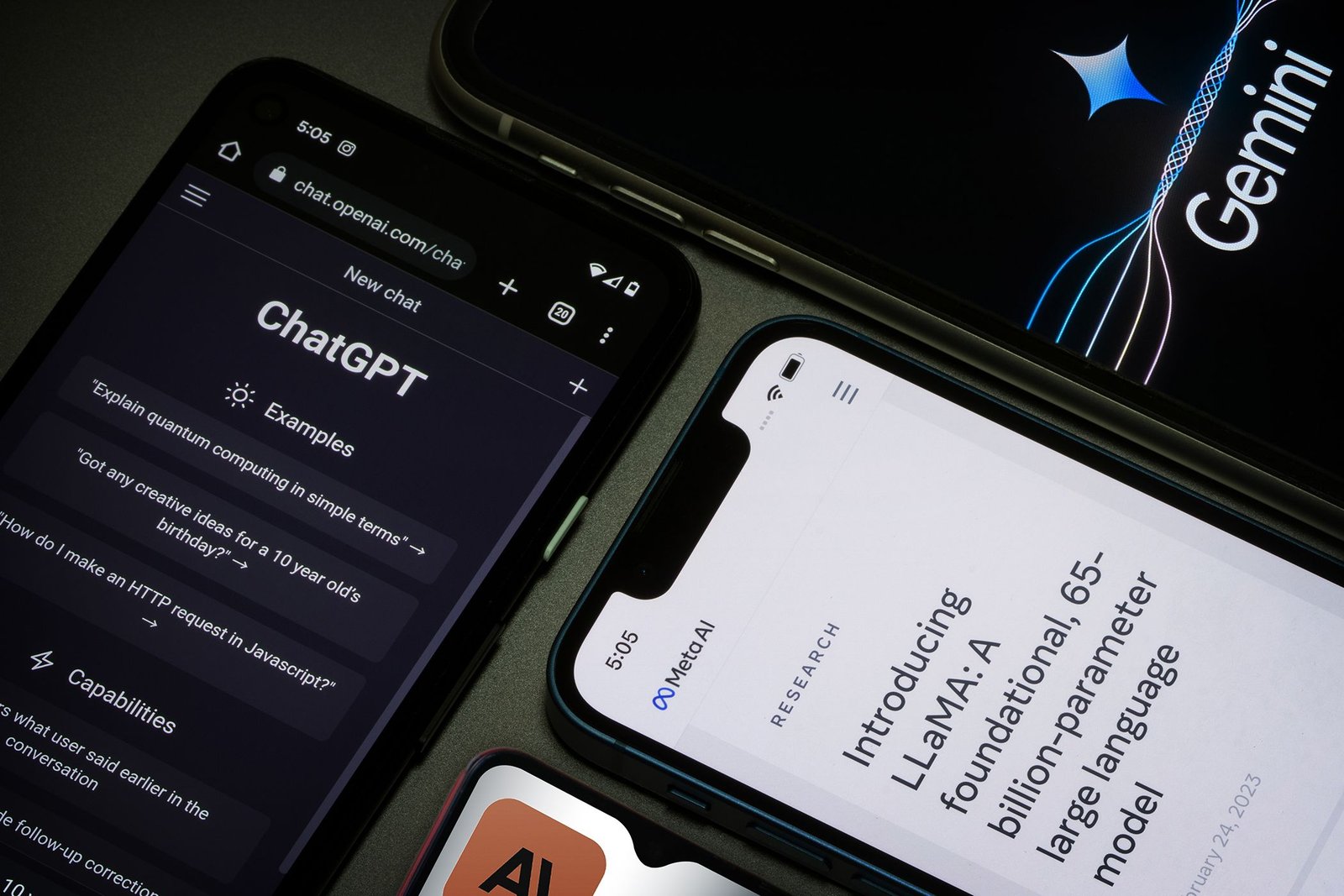
After putting all three through real daily tasks — writing help, research, coding assistance, and plain everyday questions — here is an honest breakdown of where each one shines and where it falls short, so you can pick the right one for how you actually work.
ChatGPT: The All-Rounder Everyone Knows
ChatGPT is the name most people associate with AI chatbots, and for good reason. It was first to the party, and OpenAI has kept refining it with steady updates. In 2026 it handles an enormous range of tasks well: drafting emails, brainstorming ideas, explaining complicated topics in plain language, and helping with homework-style questions.
Its biggest strength is versatility. There is a huge ecosystem around it — plugins, integrations, and a massive community sharing prompts and workflows. If you have a random question at 2 a.m., chances are someone has already figured out the best way to ask ChatGPT for exactly that.
The trade-off is that ChatGPT can be a jack-of-all-trades. For very technical reasoning or long, nuanced writing, the other two competitors often produce more careful results. It also occasionally gives confident-sounding answers that are wrong, so fact-checking important details is still essential.
Best for: everyday use, creative brainstorming, students, and anyone who wants one tool that handles almost everything.
Google Gemini: The Research and Google Workspace Partner
Gemini’s killer advantage is its deep connection to the Google ecosystem. If your life runs on Gmail, Google Docs, Google Drive, and Google Search, Gemini slots in naturally. Ask it to summarize a long email thread, pull key points from a document, or plan a trip using live search data, and it works smoothly because it is connected to the tools you already use.
It is also strong on up-to-date information. Because of its tight integration with Google Search, Gemini is often better at answering questions about recent events, current prices, or anything that changed in the last few months.
The downside is that outside the Google ecosystem, it feels less special. Its writing style can be a bit dry, and for creative tasks like storytelling or marketing copy, many users prefer the alternatives.
Best for: researchers, Google Workspace power users, and anyone who needs current, search-backed answers.
Claude: The Careful Thinker
Claude has built its reputation on one thing: quality of reasoning. When you give it a complicated problem — a long document to analyze, a tricky piece of code to debug, or a nuanced argument to work through — Claude tends to be more careful, more precise, and less prone to making things up.
It is also widely praised for writing. If you need help with long-form content, detailed explanations, or text that needs to sound natural rather than robotic, Claude consistently produces some of the most human-sounding output of the three.
The catch is availability and ecosystem. Claude has fewer integrations than ChatGPT, and depending on where you live, the most capable version may sit behind a paid plan with usage limits. It is less of a Swiss Army knife and more of a precision instrument.
Best for: writers, developers, analysts, and anyone who values accuracy over breadth.
Head-to-Head: How They Compare
Everyday questions: All three handle these well. ChatGPT feels the most conversational, Gemini the most current, Claude the most precise.
Coding help: Claude generally leads for careful code review and debugging, ChatGPT is excellent for quick scripts and explanations, and Gemini is solid but rarely the first pick for developers.
Creative writing: Claude and ChatGPT trade the top spot depending on the task; Gemini usually finishes third for pure creativity.
Research and current events: Gemini wins thanks to live search integration. ChatGPT is close behind. Claude is capable but less connected to real-time data.
Price: All three offer capable free tiers, with paid plans unlocking the strongest models. Prices shift often, so check current plans before committing — the free versions are genuinely useful for most casual users.
Which One Should You Pick?
Here is the simple version. Pick ChatGPT if you want one versatile assistant for everything and the biggest community of tips and integrations. Pick Gemini if you live inside Google’s apps and want answers grounded in current search data. Pick Claude if you care most about careful reasoning, better writing, and fewer made-up facts.
And here is the honest truth most comparisons skip: you don’t have to marry one. The free tiers are good enough that many people end up using two — one as their daily driver and another for tasks where it clearly wins. Try each with your actual work for a week, and the right choice usually becomes obvious.
The Bottom Line
There is no single “best” AI chatbot in 2026 — there is only the best one for your workflow. ChatGPT brings versatility and ecosystem, Gemini brings Google integration and freshness, and Claude brings careful, high-quality reasoning. All three are free to try, so the only real mistake is picking one based on hype instead of testing it against the tasks you actually do every day.