

In 2026, you don’t need design skills to create a striking image. Type a sentence, wait a few seconds, and an AI image generator hands you a visual that once would have taken a professional illustrator hours. Tools like Midjourney, DALL-E, Google’s Imagen, and open models like Flux are now built into apps you already use. But there is a real gap between pressing “generate” and getting an image you are actually proud of. This beginner’s guide covers what you need to know: how the technology works, which tool to pick, how to write prompts that deliver, and the mistakes every newcomer makes.
What AI Image Generators Actually Do
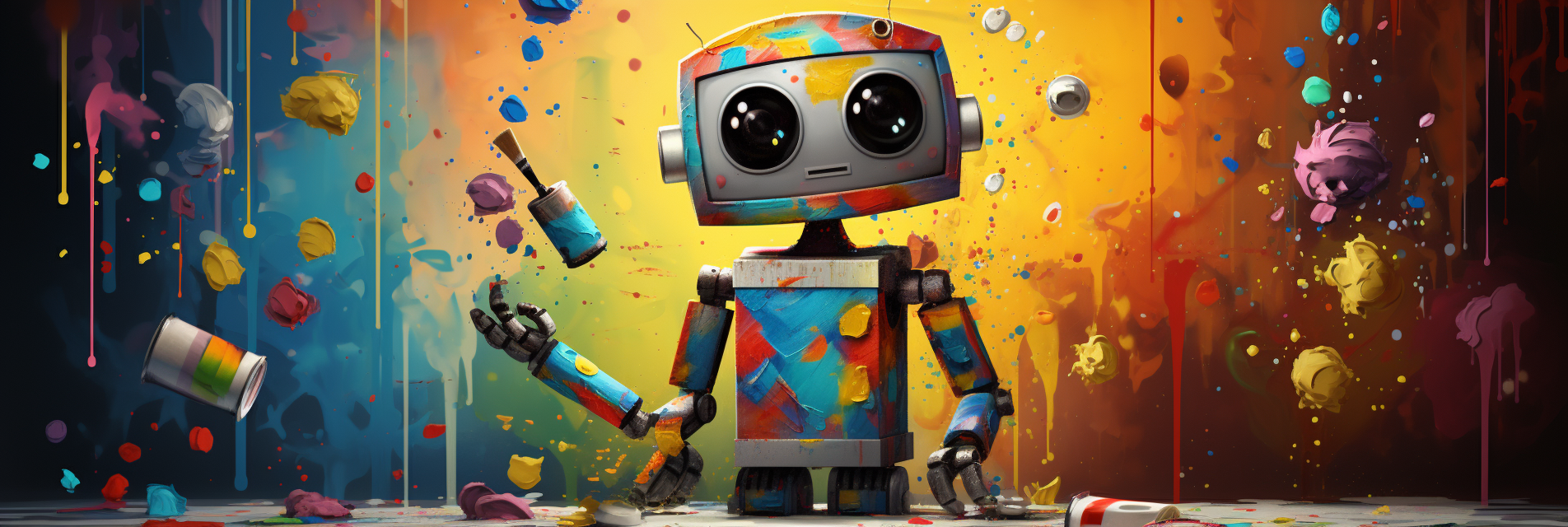
AI image generators run on models trained on billions of image-and-caption pairs. When you type a prompt, the model is not searching for an existing picture — it is building a brand-new image, guided by patterns learned during training. That is why results can feel magical: the model has seen enough examples of “a cozy cabin in snow at dusk” to combine the elements convincingly, even though it has never seen your exact cabin.
What they cannot do well matters just as much. AI generators still struggle with readable text (signs and book pages often come out garbled), accurate hands and fingers, and exact real-world accuracy. Ask for the Eiffel Tower at sunset and you will get something plausible, not a faithful replica. Knowing these limits up front saves a lot of frustration.
Picking the Right Tool for You
Four main options are worth knowing in 2026.
DALL-E (inside ChatGPT) is the easiest starting point. If you already use ChatGPT, you can generate images in the same conversation — no new account or interface to learn. Quality is solid for everyday images.
Midjourney is widely considered the quality leader for artistic and stylized images, with a polished look professionals prefer. The trade-off: it is paid, and the learning curve is a little steeper.
Google’s Imagen (inside Gemini) excels at photorealism and is deeply integrated with Google’s ecosystem — the frictionless choice for heavy Google users.
Flux and Stable Diffusion are open models you can run for free, even locally on a decent computer. They offer maximum control and no per-image cost, but setup takes more effort.
Beginner advice: start with whichever tool you already have access to, learn the prompting basics below, and only pay for a dedicated tool once you know what you are doing.
Writing Prompts That Actually Work
The prompt is everything. The formula that works: subject + details + style + lighting and composition.
Compare: Weak: “a dog”. Strong: “a golden retriever puppy sitting in a sunlit meadow, soft morning light, shallow depth of field, photorealistic”.
The strong prompt specifies the subject, the setting, the lighting, and the visual style. A few more tips beginners overlook: add style words like “watercolor,” “cyberpunk,” or “studio photography”; describe the camera angle (“aerial view,” “close-up”); use negative prompts to exclude what you do not want (“no text, no watermark”); and iterate — your first generation is a draft, so tweak one thing at a time instead of starting over.
Settings That Matter More Than You Think
Aspect ratio is the big one. Square (1:1) suits profile pictures and social posts, widescreen (16:9) fits thumbnails and wallpapers, and portrait (9:16) is made for phone screens. Decide where the image will live before generating — cropping an AI image afterward often cuts off something important.
Quality modes trade time for detail: use fast or draft mode while experimenting, then switch to high quality for the final version. Seed values let you reproduce or slightly vary an image — keep the same seed and tweak the prompt to get a close variation instead of starting from scratch. Most tools also offer style presets like “cinematic” or “anime,” a fast way to explore aesthetics without learning prompt vocabulary.
5 Beginner Mistakes to Avoid
First, prompts that are too short — two or three words rarely produce what you want, so aim for a full descriptive sentence or two. Second, ignoring aspect ratio, which guarantees an awkward crop later. Third, expecting readable text — logos and signs still come out garbled, so design around this instead of fighting it. Fourth, assuming you own everything you make — each tool has its own terms of service, which you should read before commercial use. Fifth, regenerating from scratch instead of refining — a small tweak to your last prompt usually fixes the problem faster.
Copyright and Usage Rights: What to Know
AI-generated images live in a legal gray area that is still evolving. Most major tools grant broad usage rights, including commercial use, on paid plans — but free tiers sometimes restrict it, so check your provider’s terms specifically. Disclosure rules are also growing: some platforms now require AI-generated images to be labeled, and labeling costs nothing when in doubt. Finally, be careful with likenesses and brands — generating real people, celebrities, or trademarked characters can cause trouble regardless of the tool’s terms. Stick to original concepts for anything public or commercial.
Conclusion
AI image generators reward one skill above all: describing what you want clearly. Start with the tool you already have, write specific prompts using the formula above, iterate instead of starting over, and learn the settings that shape the output. Within a week of casual experimenting, you will be making images that surprise you — and once the basics click, the only real limit is how well you can describe what is in your head.